Are You Overpaying on Merchant Fees in 2026?
If you're processing payments in Australia, the payment landscape has shifted significantly in 2026. New regulations, fintech disruption, and provider consolidation have created new opportunities to cut costs and new traps to avoid.
What Changed in 2026?
The RBA's continued crackdown on surcharging, combined with increased competition from neobanks and fintech providers, has pushed traditional EFTPOS rates down. However, many businesses haven't updated their contracts and are missing out on savings of 0.2-0.5%.
Key 2026 trends:
- Interchange rates have stabilized at lower levels
- Mobile payment processing is now the standard (not the exception)
- Subscription-based pricing models are becoming more common
- Open banking is creating new payment options
1. Understand Your Current Blended Rate
Your blended rate is the average fee you pay across all card types credit, debit, Visa, Mastercard, and Amex. Most providers bundle these together, making it hard to see where your money is actually going.
How to find it: Divide your total monthly fees by your total monthly revenue and multiply by 100.
Example: $1,200 in fees divide by $80,000 revenue x 100 = 1.5% blended rate
2. Know Your Card Mix
Not all cards cost the same to process. EFTPOS transactions remain the cheapest, followed by debit, then credit cards. In 2026, contactless and mobile payments have become dominant and these typically fall into the debit or EFTPOS price bracket.
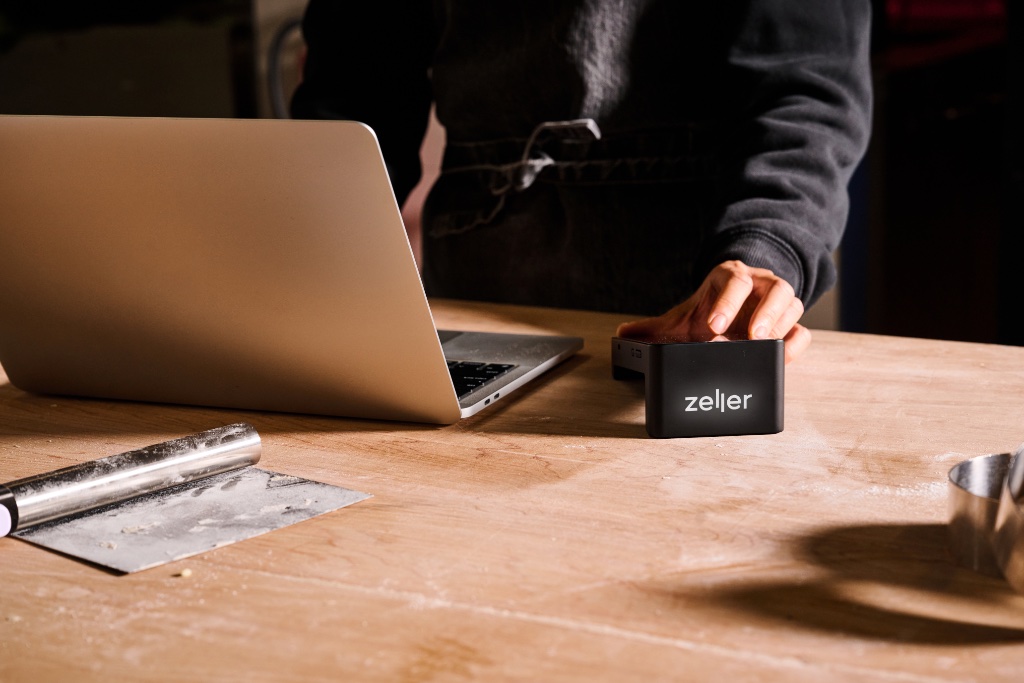
Providers like Zeller, Tyro, and newer players like Oolio use interchange-plus pricing, meaning you pay the actual interchange fee plus a small margin. This can be significantly cheaper for businesses with a good card mix.
3. 2026 Provider Strategy: Know the Players
- Traditional Providers (Tyro, Zeller): Still competitive, but watch out for hidden monthly fees.
- Neobanks (Oolio, Qiki): Offer lower rates but less personalized support. Good for high-volume, tech-savvy businesses.
- New Entrants: Open banking providers are starting to disrupt the market with flat-fee models.
4. Negotiate or Switch
Many businesses haven't renegotiated since 2024. If you've processed over $600k in the past 12 months, you're in a strong position to negotiate or switch for a better deal.
Switching providers can save you 0.3-0.6% which on $100,000/month is $300-$600 saved every month or $3,600-$7,200 annually.
5. Watch for Hidden Fees
Beyond the transaction rate, watch out for:
- Monthly terminal rental fees (many providers are waiving these in 2026)
- PCI compliance fees
- Chargeback fees
- Statement fees
- Early termination fees (now capped by RBA at lower levels)
6. Plan for the Holiday Season
With Q4 2026 approaching, this is the perfect time to lock in better rates before the busy season. Many providers offer switching incentives during off-peak periods.
Use PaiCompare's Free Calculator
Enter your monthly revenue, current provider, and card mix and we'll show you exactly how much you could save in 2026 in under 60 seconds.
Summary
Reducing your EFTPOS fees in 2026 comes down to staying informed about market changes, knowing your card mix, and comparing the latest offerings. Australian businesses that switch providers save an average of $6,000+ per year.